Quick answers
Are wire shelves good for a closet?
Yes—wire shelves can be a good closet choice, especially if you want good airflow, easy visibility, and lower upfront cost. The best option depends on your space, what you store, and which look you want.
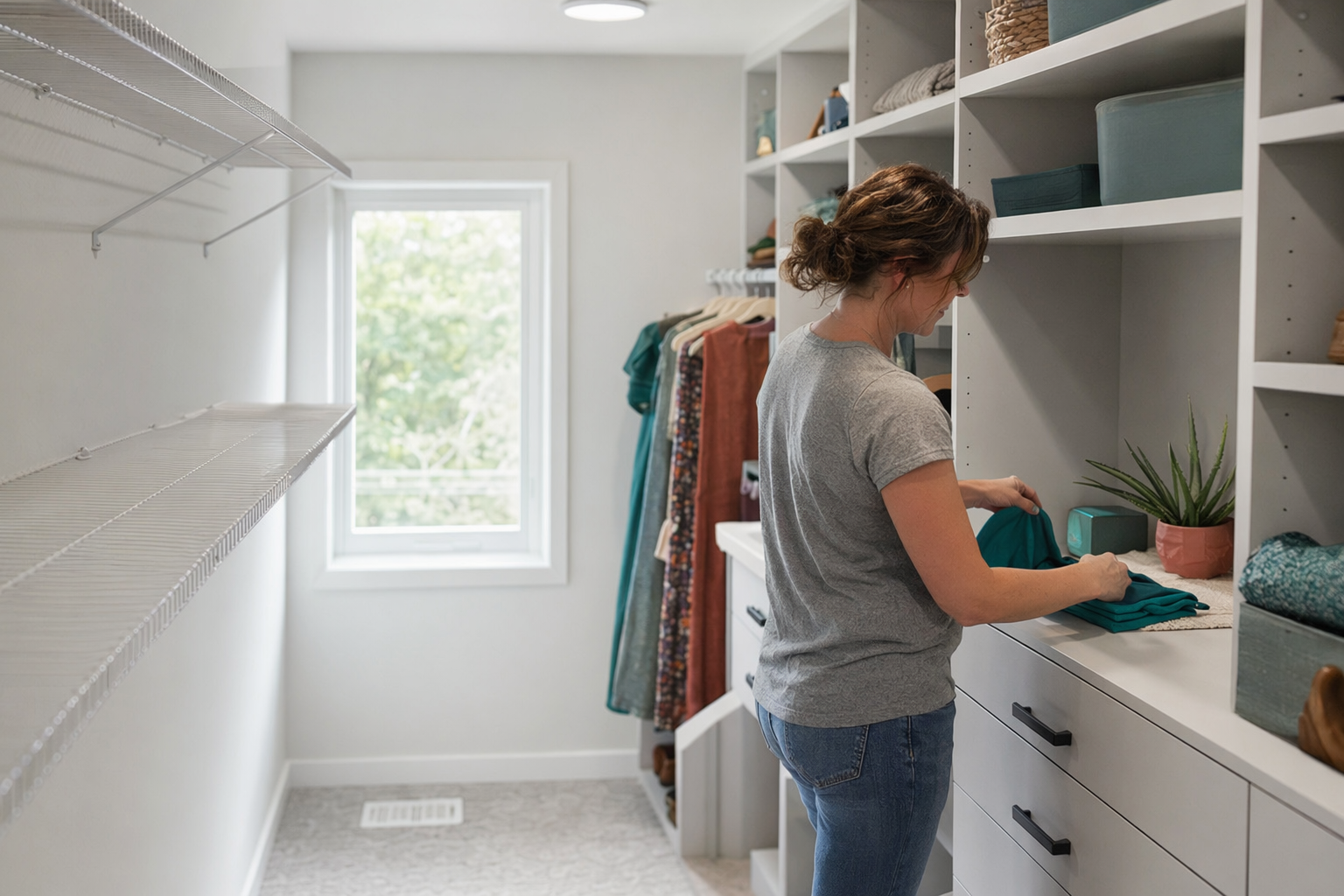
Quick answer: are wire shelves good for a closet?
Wire closet systems are often a strong choice for day-to-day use. They’re usually ventilated (helpful in humid areas or for shoes/sports gear) and they make it easy to see what you have without opening doors every time.
They’re also typically the most budget-friendly type of custom built-in. If you want “functional first” and don’t need a perfect, seamless look, wire is frequently the practical winner.
That said, wire may not feel as “finished” as melamine/laminate or solid wood—especially in a walk-in closet where your eyes go to the walls every day. It can also be less ideal for small items unless you add the right bins, drawers, or baskets.
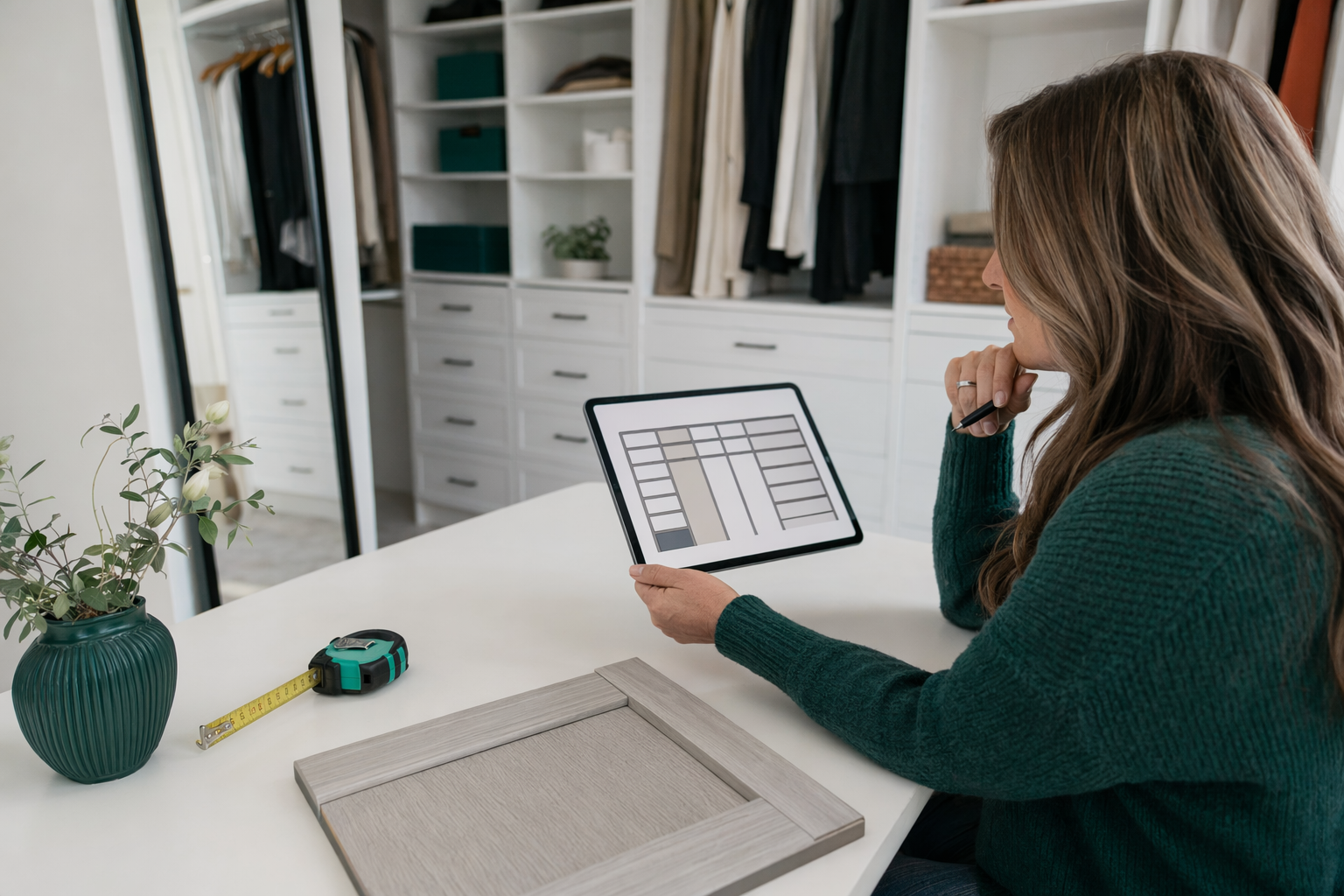
Which system fits best: wire vs melamine vs wood
Most closets are priced by the linear feet of wall you’re building on. So the system type (wire, melamine/laminate, or wood/veneer), how many shelves/drawers you want, and how “custom” the layout is will drive your all-in cost.
- Wire: usually the cheapest and best for airflow. Great for closets you want to stay fresh and easy to organize.
- Melamine/laminate (value choice): often the best balance of price, durability, and a clean, finished look. Works well for most family closets.
- Wood/veneer (premium look): tends to be the most expensive and shines when you want a high-end, fully visible built-in—especially walk-in closets.
If you’re unsure, think about your “must-haves.” If you care most about airflow and flexible reconfiguring, wire makes sense. If you care most about a smooth, built-in look and better support for folded clothing and small items, melamine/laminate is commonly the sweet spot.
What wire does well (and where people switch away)
Wire systems are practical for:
- Garments you hang (coats, dresses, shirts), because rods and open storage make it easy to keep space visible
- Shoes, bags, and sports gear (especially if you add baskets or ventilated shelves)
- Closets where you want airflow to reduce lingering odors
People often switch away from wire when they want more “everyday convenience.” Common reasons include wanting drawers for socks/underwear, more enclosed storage, and a smoother wall surface that matches the rest of the room.
Another practical point: if you store a lot of small items (kids’ accessories, folded fabric, belts), you’ll likely spend some of your budget on pull-out bins, drawer systems, or additional organizers. Those add cost, no matter which system you choose.
Honest cost ranges: what wire closets usually run
Pricing varies a lot by region, builder, and the exact design, but here are realistic planning ranges you can use to compare options. These are not quotes.
- Wire closet systems: often roughly $60–$150 per linear foot
- Melamine/laminate systems: often roughly $90–$220 per linear foot
- Wood/veneer systems: often roughly $160–$400+ per linear foot
Your project cost can also move up or down based on the number of drawers, the amount of shelving, whether you’re adding a lot of specialty organizers, and how custom the layout is for your hanging lengths and shoe needs.
Upcharges to watch (especially for wire closets)
Even if you choose wire to keep costs lower, these items can quietly raise the all-in price. Ask your builder for the all-in price in writing and confirm what’s included.
Common cost add-ons:
- Drawers and pull-outs (often one of the biggest jumps in price)
- Soft-close hardware
- Premium finishes or special colors
- Lighting (interior closet lights, vanity-style sconces near the closet, etc.)
- Removal of old shelving and haul-away
- Islands or wide, statement center sections (for larger walk-ins)
If you mainly want open storage, keep the design “lean.” Add drawers only where you truly use them—like for underwear/socks, small accessories, or items you don’t want visible.
How to get matched to a local builder (free for you)
ShelfGrove is a FREE matching service. We connect you with licensed, insured local closet and storage-system builders, but we do not install or build the system ourselves.
To get matched, share what space you’re working on (for example, a reach-in closet with one wall or a walk-in with multiple walls), your ZIP code, and your preferred language. Then compare proposals and ask each builder to confirm:
1. System type (wire vs melamine/laminate vs wood/veneer)
2. The exact number of shelves, rods, drawers, and any pull-outs
3. The materials used and the finish you’ll see
4. The all-in price (including removal and lighting, if included)
You stay in control. Before anything starts, confirm the materials, layout, and lead time with your builder—pricing and availability can vary by area and by what’s currently in stock.
Wire shelves can be a smart, lower-cost closet option for airflow and visibility, but the best choice depends on how finished you want it to look, what you store, and add-ons like drawers and lighting—pricing varies by builder and area.
Common questions
Will wire shelves sag or look messy over time?
A good wire system uses the right gauge and supports, so it can hold clothing and many organizers well. If you store lots of heavy items or small items without bins, it can feel messier—so many people add baskets, shelves for shoes, or drawers where it matters.
Is wire better for humid areas or musty closets?
Wire’s airflow can help reduce trapped moisture and lingering odors compared with fully covered surfaces. Still, ventilation depends on your home—so focus on keeping the closet dry and consider any moisture issues with a licensed professional.
If I choose wire, should I also add drawers?
Only where you’ll actually use them. Drawers and pull-outs usually cost more, so many people start with wire for hanging and open shelving, then add drawers for socks/underwear or small accessories.
How do I estimate how much wall linear feet I need?
Measure the wall length where the system will sit (in inches or feet) and add up the total linear feet across all walls. Most quotes are priced per linear foot, then adjusted for components like drawers, specialty organizers, and any lighting.