ShelfGrove
Closet and storage system types
Not every closet system is the same. The right choice depends on your space, budget, and how you actually store things — not just what looks good in a showroom.
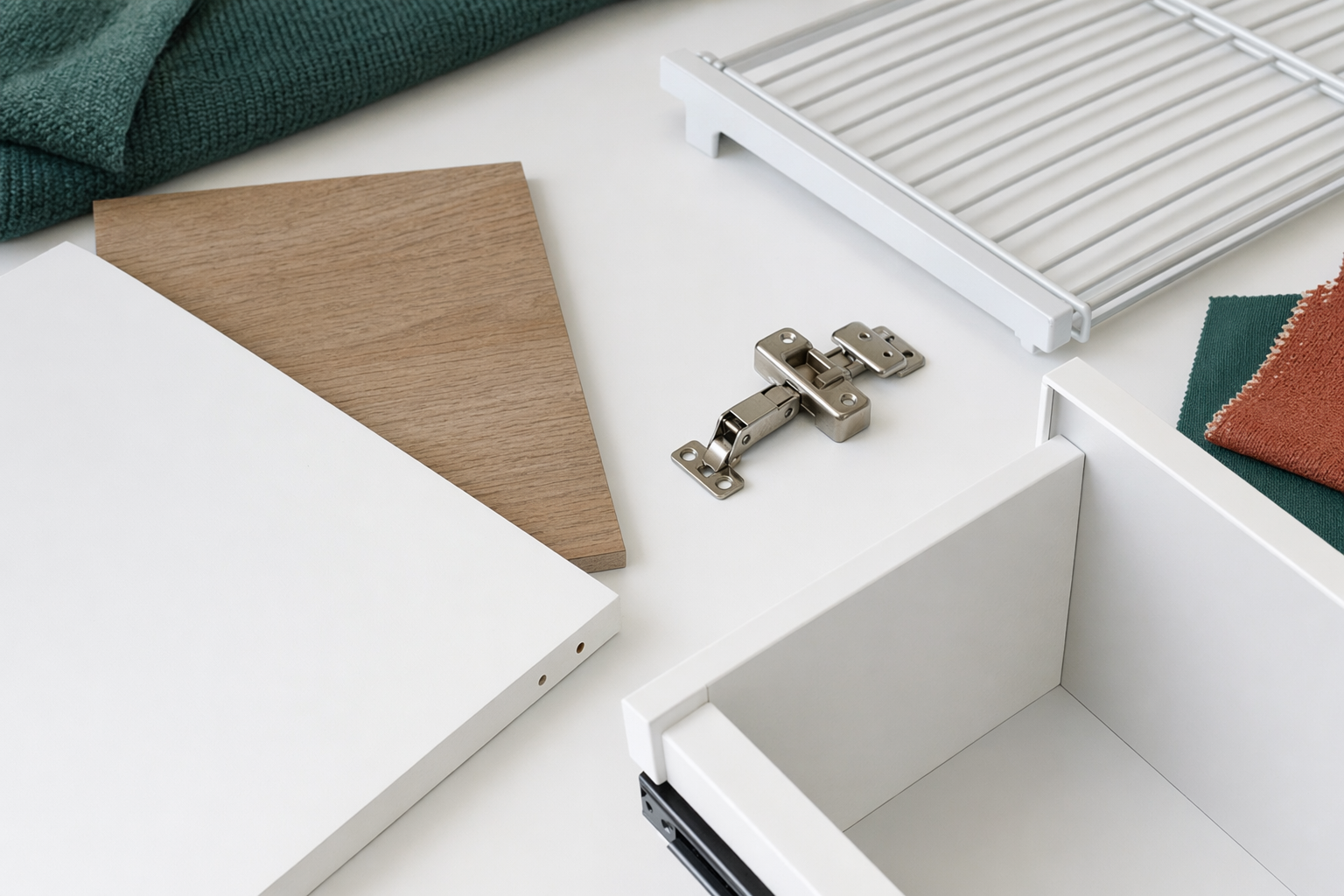
What wire (ventilated) closet systems are, where they make sense — budget reach-ins, rentals, garages — honest cost per linear foot, the trade-offs, and how to get one from a licensed local builder.
Open → Melamine and laminate closet systemsWhy melamine/laminate is the value-to-look sweet spot for most custom closets and pantries, the finishes available, honest cost per linear foot, durability, and how to get matched with a builder.
Open → Solid wood and veneer closet systemsWhen solid wood or wood-veneer systems are worth it — premium walk-ins and visible built-ins — honest cost per linear foot, how to judge quality, and how to find a licensed local builder.
Open → Modular and freestanding storage systemsHow freestanding, no-mount modular systems work, when they're the right call (rentals, flexibility), honest cost ranges, the limits, and how to get matched with a builder or buy smart.
Open → Wall-mounted and floating closet systemsWall-hung (floating) systems that keep the floor clear and look high-end — how they mount, what they hold, honest cost per linear foot, and how to find a licensed local builder.
Open → Full built-in and floor-based closet systemsFloor-to-ceiling, fully built-in systems for walk-ins and showcase rooms — how they're built, honest cost per linear foot, what drives the price, and how to get matched with a builder.
Open →The main closet system types, in plain English
Most homeowners choosing built-in storage are really comparing three system families: wire, melamine/laminate, and wood or wood veneer. On top of that, the system may be wall-mounted, floor-based, or a simple freestanding unit.
Wire is usually the cheapest option and works well for basic reach-ins, laundry rooms, and some pantries because it is ventilated and simple. Melamine or laminate is the value sweet spot for most custom closets because it gives you a cleaner built-in look, more shelf and drawer choices, and usually a better finish for the money. Solid wood or wood veneer is the premium choice, more common in walk-ins, home offices, and visible built-ins where appearance matters most.
Most custom systems are priced by linear foot of wall, then adjusted based on height, depth, drawers, doors, pull-outs, finishes, and local labor. The smartest way to choose is to start with how much hanging space, shelving, and drawer storage you truly need — then pick the material level that fits that use.
Wire systems: lowest cost, basic function
Wire closet systems are usually the budget-first option. They are common in reach-in closets, utility spaces, garages, and pantries where airflow matters and appearance is less important. They are often wall-mounted and can be a practical choice when you want open, simple storage without spending much.
A fair general range for custom wire systems is often about $20 to $50 per linear foot for basic sections, with more complete installed projects often landing around $500 to $2,000 depending on size, layout, and accessories. That is a general range, not a quote. Real pricing depends on the builder, area, hardware, shelf count, and whether old shelving has to be removed first.
The tradeoff is that wire usually gives you fewer drawer and finished-storage options, and some people do not like how smaller items sit on wire shelves. If you mainly need hanging rods, a few shelves, and a low total cost, wire can make sense. For a more furniture-like built-in look, many homeowners move up to wire closet systems only when budget is the main driver.
Melamine or laminate: best value for most custom closets
Melamine and laminate systems are the practical middle ground for many homes. They are made from engineered panels with a finished surface, so they can look clean and built-in without the price of premium wood. For reach-ins, walk-ins, pantries, laundry rooms, mudrooms, and many wall storage projects, this is often the best balance of cost, appearance, and function.
A common general range is about $50 to $125 per linear foot, with many full projects ending up around $1,500 to $6,000 depending on the space and what is added. A basic 6- to 8-foot reach-in with a few hanging sections and shelves will cost much less than a 12-foot walk-in with drawers, shoe shelving, and doors. These are ranges only, not quotes.
This category usually gives you the most flexibility for real-life storage: double hang, long hang, adjustable shelves, 2 to 6 drawers, hamper pull-outs, and better-looking finishes. For many homeowners, melamine and laminate systems are where cost and usefulness line up best.
Wood and veneer: premium look, premium price
Solid wood and wood veneer systems are usually chosen for higher-end walk-ins, dressing rooms, home offices, libraries, and visible built-ins where the finish matters as much as storage. They can look warmer and more furniture-like, but they cost more and are not always necessary for a simple closet.
A broad general range is often about $125 to $300+ per linear foot, with full projects commonly starting around $4,000 and rising well beyond that for larger walk-ins or built-ins with islands, doors, glass, or specialty details. Again, these are not quotes. Area, finish level, hardware, builder, and the number of custom parts can move the price a lot.
Wood is usually where people overspend if they are buying for appearance instead of function. If the space is a basic hallway reach-in or a utility closet, premium material may not give you much practical benefit. It makes more sense in rooms you see and use every day as part of the home.
What really drives the price up
The biggest upcharges are usually not the base shelves and panels. They are the extras: drawers and pull-outs, soft-close hardware, premium finishes, lighting, islands, doors, and removal of old shelving. Those features can be worth it, but they should be chosen on purpose.
A simple closet with two hanging sections and 4 to 6 shelves is usually far more affordable than one with 6 drawers, slide-out baskets, tilt hampers, glass-front doors, and specialty shoe storage. Most people use a few drawers and a lot of shelves or hanging space. Very few people need every accessory shown in a showroom.
Ask for the all-in price in writing before you agree to anything. That should include materials, components, installation, hardware level, and any demo or removal work. Since pricing varies by builder and by area in the US, ranges are useful for planning, but the written all-in number is what matters.
How to choose the right type for your space
Start with the room, not the finish sample. A garage or laundry room may be fine with wire or a simple utility-grade melamine system. A primary bedroom walk-in may justify melamine or wood because you use it daily and see it constantly. A pantry or mudroom often benefits more from shelf layout and basket storage than from expensive material.
Use real counts when planning. Think in terms of how many linear feet of wall you have, how many double-hang sections you need, whether you really need 2 drawers or 8, and whether open shelving is enough. Most systems work better when you add only the components you will actually use.
If you are still comparing spaces, start with the space guides to narrow down what fits a reach-in, walk-in, pantry, garage, or other storage area.
How ShelfGrove helps
ShelfGrove is a free matching service, not a closet company. We do not design, build, or install storage systems. We help homeowners understand the basic system types, typical cost ranges, and what questions to ask so they can compare local options more clearly.
If you want help finding a licensed, insured local builder, you can get matched. You stay in control: compare designs, confirm materials, ask about lead time, and verify the all-in price before any work starts. We collect only contact and project-intent details like your name, phone, optional email, space type, ZIP code, and preferred language.
For any load-bearing, electrical, permit, or other licensed-trade questions, hire qualified local professionals and verify requirements yourself. Builders, responsibilities, materials, and final pricing vary by area.
Wire is the cheapest, melamine is the best value for most people, and wood is the premium option — so buy the storage you will actually use, not the extras you will not.
Ready to plan a closet or storage system?
Plan the right system first, then get matched, free, with licensed local builders near you. You compare designs and choose who to hire — and you confirm the materials and all-in price before any work starts.