Quick answers
Does a custom closet add home value?
A custom closet can add value, but it’s not automatic—and it depends more on layout, storage capacity, and build quality than on “custom” alone. Here’s what tends to matter to buyers, plus realistic cost ranges per linear foot.
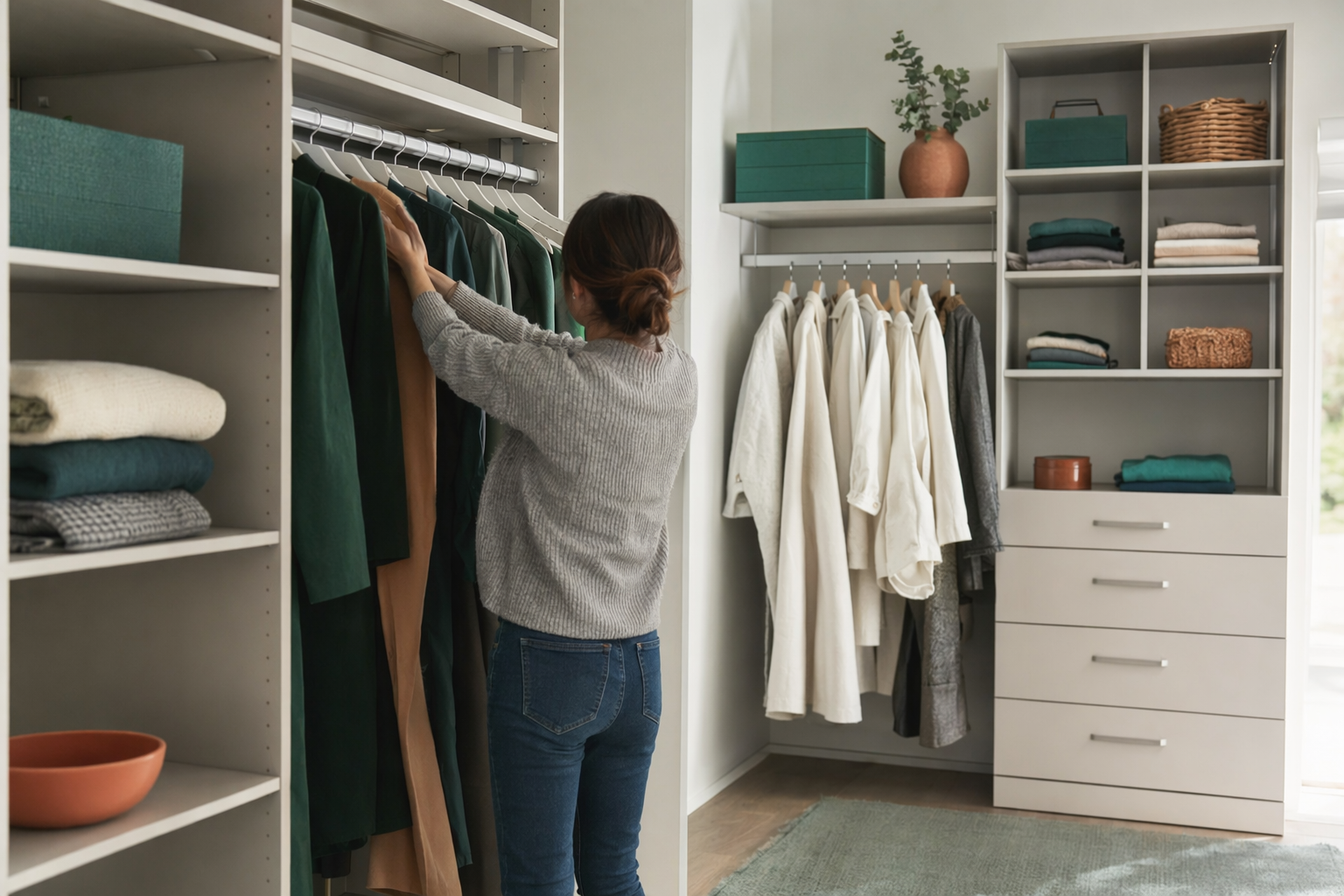
Quick answer: yes, sometimes—but focus on what buyers actually notice
A custom closet can add home value because it makes daily life easier and can improve how a home “shows” in photos and showings. That said, most buyers don’t pay extra just for the word “custom”—they pay (indirectly) for organization, usability, and finishing that looks solid.
In real life, the biggest value impact usually comes from: using the space well (enough shelves/rods/drawers for your household), choosing durable materials that look clean for years, and avoiding design choices that feel overly personal or hard to re-use.
If you’re planning to sell soon, keep the design practical and broadly appealing. If you’re staying longer, the value is often more about day-to-day usefulness (which still affects how you care for the home and how it feels to live in).

What most affects resale value in a closet (layout and durability beat fancy extras)
Closets that tend to be most “valuable” to buyers are the ones that feel effortless: clothes fit comfortably, storage is easy to find, and the system doesn’t look flimsy.
Design features that usually help:
- Clear separation of hanging vs. shelving (so the closet works for multiple seasons and daily wear)
- Enough total linear storage (more rods/shelves in the right places)
- Drawer space for items buyers typically store (socks, tees, intimates, accessories)
- Clean sightlines and stable materials (less wobble, fewer cheap-looking finishes)
Features that can be less valuable (or not worth the cost for resale): very niche layouts, lots of deeply customized compartments that only fit one type of use, and premium add-ons if they drive the price way up without improving day-to-day usability.
System choice and “what it looks like”: wire, melamine/laminate, or wood
Most custom closet systems are priced by linear foot of wall and vary by system type and materials. In general: wire is usually the most affordable and more “ventilated,” melamine/laminate is often the best value-to-look sweet spot, and solid wood/wood veneer is typically premium—especially for walk-ins or visible built-ins.
If your goal is resale appeal, melamine/laminate often hits the balance: it can look clean and modern, it’s durable for everyday use, and it doesn’t usually carry the premium price of wood.
If the closet is highly visible (entry areas, large walk-ins, or spaces buyers focus on), wood can look more “high-end.” But it costs more—so it’s smart to compare the all-in price in writing and make sure you’re not overspending on upgrades you won’t personally enjoy long-term.
Realistic cost ranges (not quotes): per linear foot and per closet project
Closets and storage systems are commonly priced per LINEAR FOOT. The exact number depends on system type (wire vs. melamine/laminate vs. wood), how many shelves/rods/drawers you want, how many corners or wall sections are involved, and how much labor is needed for your specific space.
Typical ballpark ranges you may see (always confirm with builders for your area):
- Wire systems: about $50–$110 per linear foot
- Melamine/laminate systems: about $90–$200 per linear foot
- Wood or wood-veneer systems: about $180–$350+ per linear foot
Project totals vary a lot by closet size. As a rough guide, a smaller reach-in closet might land around $800–$3,000, while a larger walk-in or multi-wall room often lands around $3,000–$12,000+—especially when you add drawers, special finishes, or more built-in components. These are ranges, not quotes.
Upcharges that can change the value equation (get the all-in price in writing)
To decide whether a closet will pay back, you need the all-in cost—not just the base price. Common items that can raise the total include:
- Drawers and pull-outs (often priced as add-ons)
- Soft-close hardware (frequently a material/hardware premium)
- Premium finishes or stained/painted options
- Lighting (especially if you want under-shelf or accent lighting)
- Islands, specialized bench seating, or large statement pieces
- Removal of old shelving or systems
Ask builders to list every line item and provide the total cost “start-to-finish.” If you’re comparing options, make sure each quote includes the same basics (materials, number of shelves/rods/drawers, and any lighting). Don’t assume the cheapest system will look the same—wire, melamine, and wood can look and feel very different.
How ShelfGrove helps you get matched (free for you)
ShelfGrove is a FREE matching service. We don’t design, build, or install closets, and we’re not a closet company. Our job is to connect you with licensed, insured local closet and storage-system builders based on your space and preferences.
To get matched, you’ll share contact + project intent (name, phone, optional email, the space type, ZIP code, and preferred language). Then you can compare designs and get all-in pricing in writing from builders.
Start with your goal: “resale-friendly and clean,” “best value,” or “premium visible built-in.” That helps builders propose the right system (wire vs. melamine/laminate vs. wood) and gives you realistic linear-foot costs for your exact walls and components. Pricing and materials vary by builder and by area, so confirm locally.
A custom closet can help home value by improving usability and presentation, but the payoff depends on smart layout and durable materials—not just “custom”—and costs vary widely by system type and add-ons.
Common questions
Will a custom closet increase my home’s appraisal value?
It can, but no one can guarantee an appraisal increase. In many markets, a well-designed, durable closet helps presentation and usability, which can support overall value—especially when the layout looks practical and the materials look solid.
Is it better to install a closet system for resale or for my personal use?
If you’re selling soon, prioritize broadly appealing design, enough storage capacity, and a clean look. If you’re staying longer, choose the system that fits how you live—the “real value” is often day-to-day convenience.
What system type looks best to buyers without overspending?
Many homeowners choose melamine/laminate because it often looks modern and “finished” while staying less expensive than solid wood or veneer. Wire is typically cheapest but may look more basic depending on the finish and your space.
How much does a closet system cost per linear foot?
Common ballpark ranges are about $50–$110 per linear foot for wire, $90–$200 per linear foot for melamine/laminate, and $180–$350+ per linear foot for wood or wood veneer. Exact pricing depends on your components (shelves/rods/drawers), wall layout, and local labor/material rates.
What extras should I be careful about when budgeting for resale?
Drawers/pull-outs, soft-close hardware, premium finishes, lighting, island-style add-ons, and removal of old shelving can raise the total quickly. Get the all-in price in writing and compare quotes with the same scope so you’re not paying for upgrades you won’t recoup.