Spaces
Kids' closets — adjustable systems that grow with them
A good kids' closet should work now and still work a few years from now. The smart move is usually a simple adjustable system with the right rod heights, shelves, and bins — not expensive extras they will outgrow.
How to plan your system
A quick, honest way to plan a storage system so you pay for the shelves and drawers you'll actually use — not features you won't.
- 1 Measure your space in linear feet. Measure the wall space you want fitted — width, depth, and ceiling height — in linear feet. Most systems are priced per linear foot of wall, so this is the number that drives the estimate. Note any windows, doors, vents, or sloped ceilings.
- 2 Pick a system type. Wire is cheapest and ventilated; melamine/laminate is the value-to-look sweet spot for most custom closets and pantries; solid wood or veneer is the premium choice for walk-ins and visible built-ins. Match the system to how the space is used and to your budget.
- 3 Plan the components. Decide on the mix of hanging rods, fixed and adjustable shelves, drawers, pull-outs, shoe racks, hampers, and any island or seating. Drawers, soft-close hardware, lighting, and premium finishes are the main upcharges — add only what earns its place.
- 4 Get a design and get matched. Get matched, free, with licensed local builders who offer a design consult and 3D plan. Confirm the materials, the components, the lead time, and the all-in price in writing before any work starts — you compare and choose who to hire.
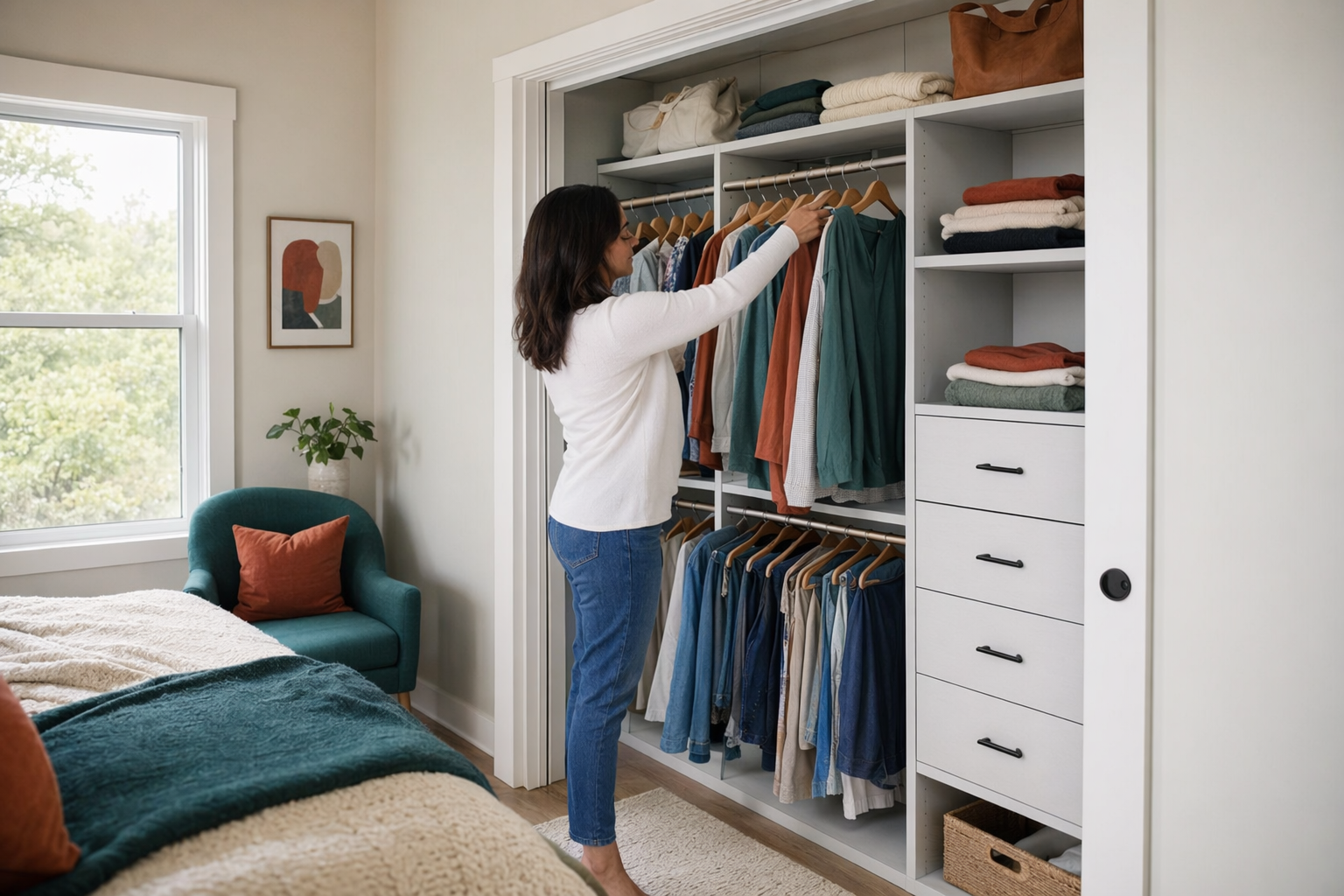
How to plan a kids' closet so it can change as they grow
For most kids' closets, the best setup is not the fanciest one. It is an adjustable system that can be moved as the child gets older. In plain terms, that usually means a wire or melamine system with shelf standards or adjustable panels, so rods and shelves can be raised, lowered, or re-spaced later. Wire is the budget choice and gives good airflow. Melamine or laminate is usually the best value-to-look choice for most custom closets because it looks more finished and still stays practical. Solid wood or veneer is usually a premium choice and is often hard to justify in a child's closet unless the closet is part of a visible built-in.
Think about the closet in linear feet of usable wall. Most closet systems are priced per linear foot, not by how many toys or shirts you hope to fit. A small reach-in kids' closet may have 5 to 8 linear feet of wall to work with. A larger walk-in for a child may have 8 to 14 linear feet or more. Once you know the wall length, plan the zones: low hanging for everyday clothes, adjustable shelves for folded items, and open bin space for things that change fast with age and season.
The layouts that work best are usually simple. For babies and toddlers, many families like one low rod, a shelf above, and a stack of bins or baskets for diapers, blankets, and small clothes. For school-age kids, a double-hang section can make sense for shorter clothes, plus a few adjustable shelves and one or two drawers if you truly need them. For older kids, you can raise one rod, add longer-hang space for dresses or coats, and reduce toy storage. The point is to add only the parts you will actually use.
What matters most in this space: adjustable shelves, one or two easy-to-reach hanging sections, labeled bins, and enough open space for change. What people often overbuy: too many drawers, too many tiny cubbies, premium finishes, and accessories meant for adult closets.
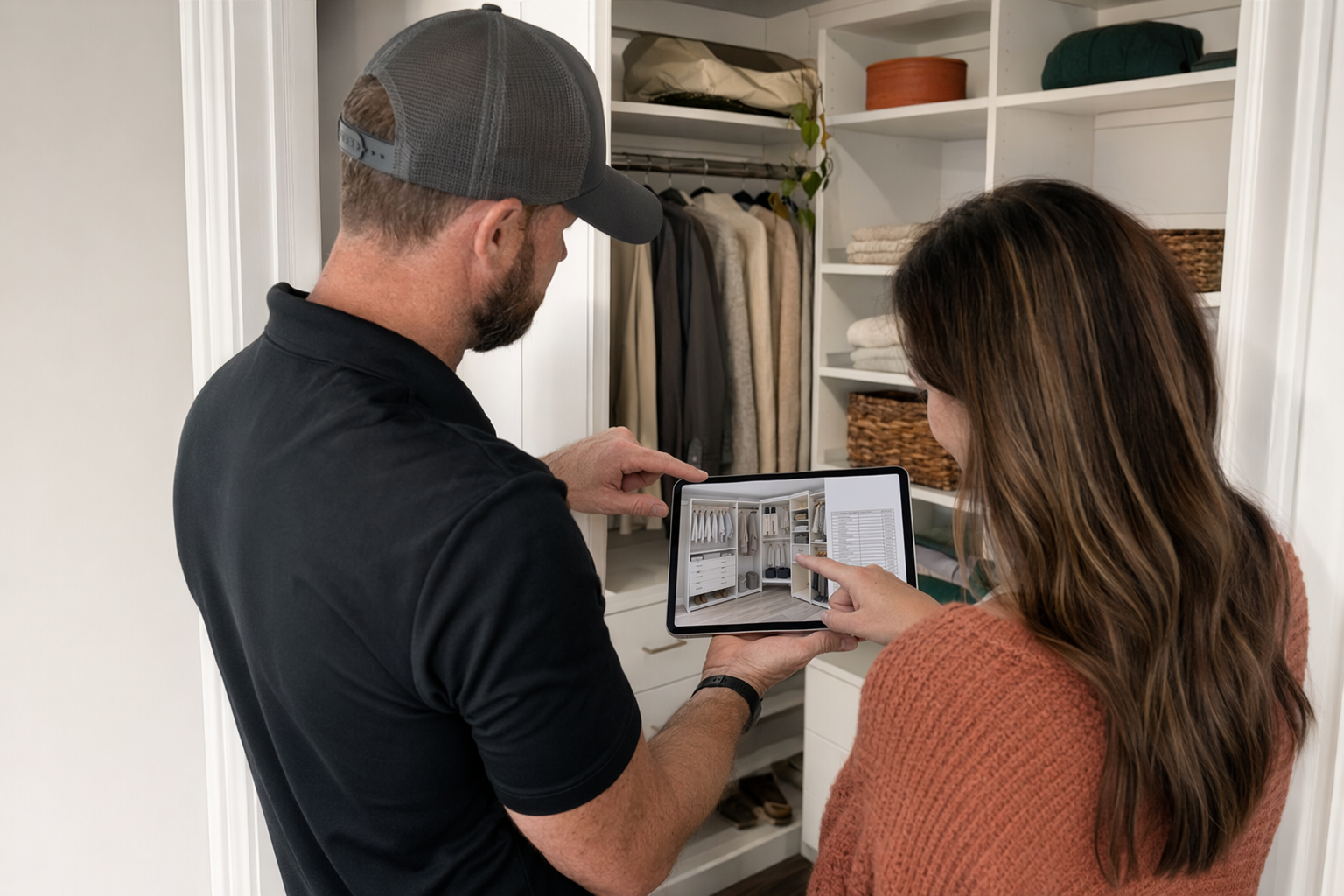
Honest cost for a kids' closet
A basic custom kids' closet usually falls into the same pricing structure as other custom closets: per linear foot of wall, with the final number changing based on system type, materials, accessories, size, and your area. As a general range, wire systems often start around $90 to $180 per linear foot installed. Melamine or laminate systems often run about $140 to $300 per linear foot installed. Wood or wood-veneer systems are usually premium, often around $250 to $500+ per linear foot installed. These are general ranges, not quotes.
For a real-world project view, a simple 6-foot reach-in kids' closet might land around $700 to $1,800 in wire, about $1,000 to $2,400 in melamine, and more if you choose premium wood finishes or many accessories. A larger or more detailed kids' walk-in could move into the $2,500 to $6,000+ range depending on layout, drawer count, finish level, and local labor. The size of the closet matters, but so does the number of parts inside it.
If you are trying to control budget, spend first on adjustability and useful shelf space. That is usually better value than spending on decorative trim or high-end accessories in a closet that will be reworked as the child grows. You can compare more general pricing on our costs page.
Upcharges that raise the price fast
The main upcharges in kids' closets are the same ones that raise costs in adult closets, and they add up quickly. Drawers and pull-outs are one of the biggest cost drivers because they need more material, more hardware, and more labor. Soft-close hardware is nice, but it still raises the price. Premium finishes, edge details, and decorative trim can make a basic kids' closet cost much more without changing how well it works.
Lighting, islands, and special accessory inserts are usually where families spend money they do not need to spend. Most kids' closets do not need built-in lighting or specialty organizers. A few open shelves, a rod at the right height, and flexible bins usually do more. If old wire shelving or builder-grade parts need to come out first, removal and disposal can also be an extra line item.
Before you hire anyone, ask for the all-in price in writing. That should include the system type, finish, number of drawers, hardware level, installation, and removal of old shelving if needed. A low starting price can become expensive once those line items are added.
A practical layout most families can live with
If you want a simple starting point, do not overcomplicate it. Many families do well with one 24 to 36 inch-wide hanging section, 2 to 4 adjustable shelves, and a bin area on the floor or lower shelf. In a standard reach-in, a common approach is one side for hanging clothes, one side for shelves, and one top shelf running across the back. That gives room for daily clothes now and flexibility later.
For shared kids' closets, split the closet into clear zones instead of trying to make every section identical. Give each child one hanging area, one shelf stack, and one labeled bin or hamper zone. That makes the closet easier to keep usable. If the children are small, keep the most-used items low enough to reach. As they grow, a builder can often reconfigure rod and shelf heights without replacing the whole system.
If you are still deciding between wire, melamine, and wood, our which closet system should I choose? guide gives the plain tradeoffs. You can also browse other spaces if you are planning more than one storage project.
How ShelfGrove helps you get matched
ShelfGrove is a free matching service, not a closet company. We do not design, build, or install closets. We help you get connected with licensed, insured local builders so you can compare options, ask questions, and choose who to hire.
When you use get matched, we collect only basic contact and project intent details: your name, phone, optional email, the space you are planning, your ZIP code, and preferred language. Then you can talk with local builders about system type, materials, component counts, lead time, and the all-in installed price. Always verify licensing and insurance yourself, and confirm any permit, electrical, or other licensed-trade questions locally.
The customer stays in control. Compare designs, confirm what is included, and make sure the written proposal matches what you actually need — not a list of extras you will never use.
For a kids' closet, buy flexibility first: a simple adjustable system usually works better and costs less than fancy features they will outgrow.
Common questions
What is the best closet system for a child's room?
For most families, an adjustable wire or melamine system is the best fit. It gives you flexibility as the child grows without paying for premium features that may not be useful later.
How many drawers does a kids' closet really need?
Usually fewer than people think. Many kids' closets work fine with open shelves and bins, and maybe one or two drawers if you need them. Drawers are a common upcharge, so add them only if you know they will be used.
How much does a custom kids' closet cost?
A simple project may start under $1,000 in some basic setups, while more finished melamine or larger closets can run a few thousand dollars. A general installed range is about $90 to $500+ per linear foot depending on wire, melamine, or wood, plus accessories and your area. These are not quotes.
Is wire or melamine better for a nursery or kids' closet?
Wire is usually the cheapest and has good airflow. Melamine usually gives the best balance of look, function, and cost for a more custom feel. The right choice depends on your budget, the look you want, and how long you expect to keep the setup.
Can a builder change the closet later as my child gets older?
Often yes, if the system is designed to be adjustable from the start. Ask the builder which parts can be moved later and what would require new materials.